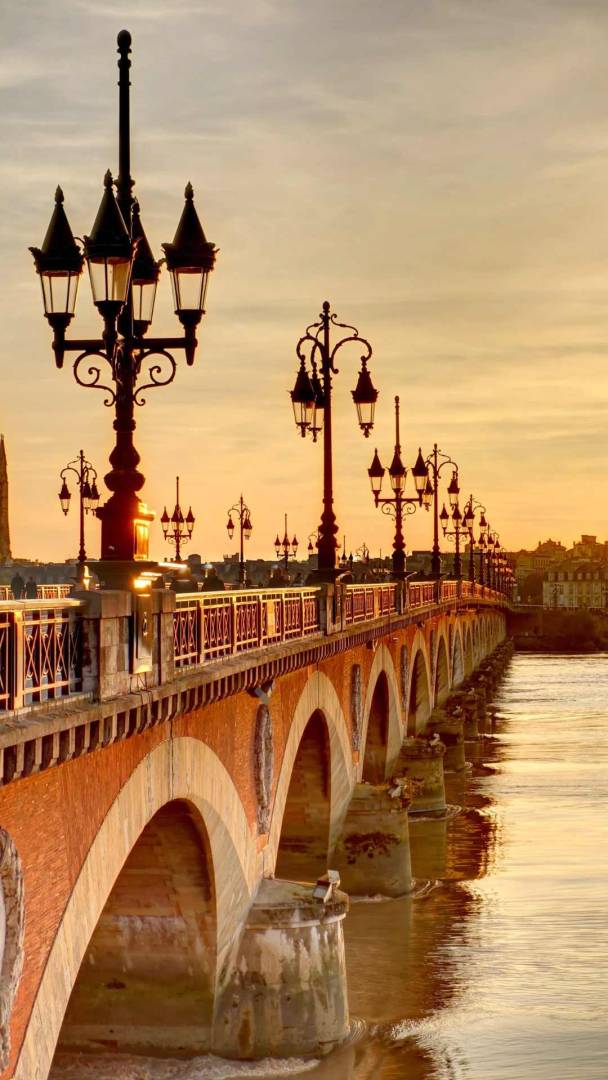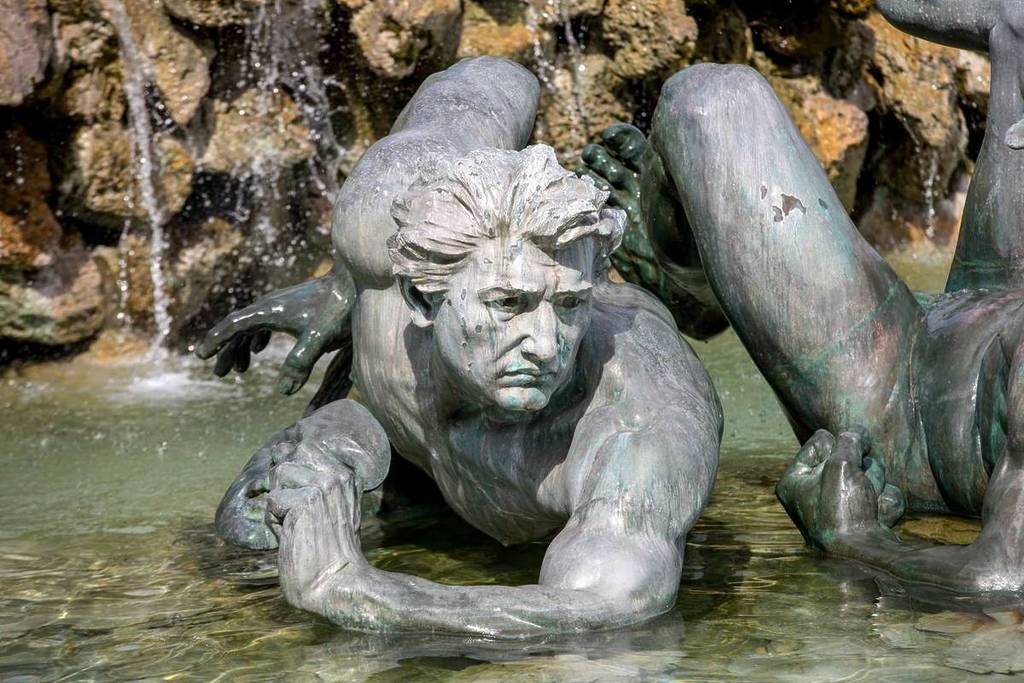

Whether you’re a local or a passing tourist, there’s no escaping Place des Quinconces. Its unique layout in the heart of the city makes it the true nerve center of Bordeaux and an unmissable meeting spot. But do you really know the secrets of this iconic esplanade? Here are 6 historical facts to help you rediscover this place from a new perspective.
Château Trompette
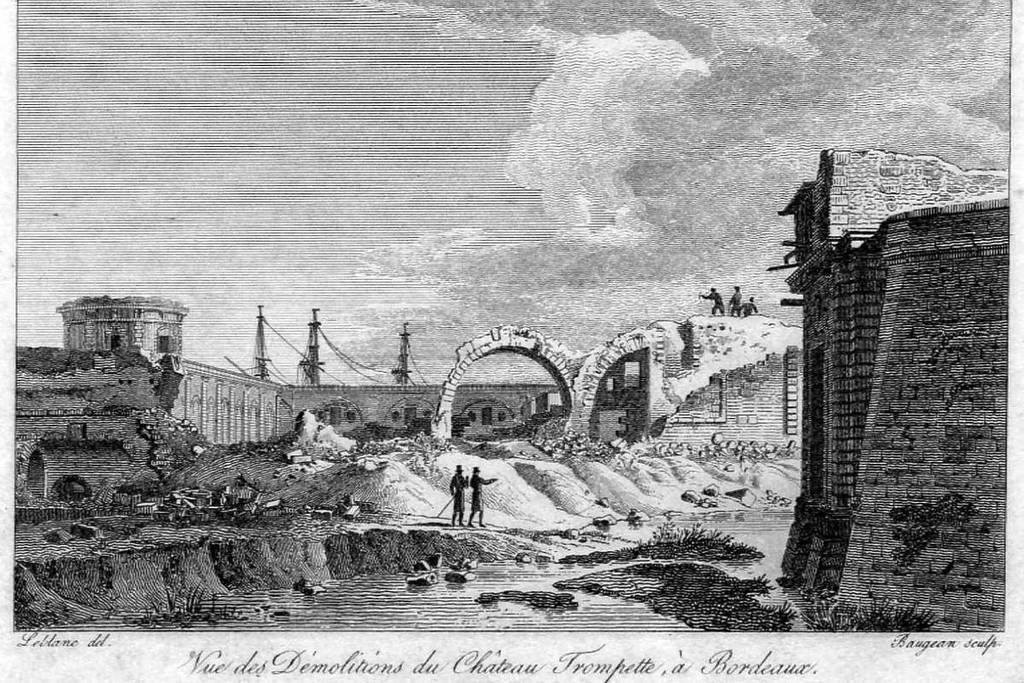
Long before the esplanade we know today, the site was occupied by a fortress: Château Trompette. Built by King Charles VII after the Hundred Years’ War, it was intended to reaffirm royal authority in the face of a Bordeaux population that had long maintained its allegiance to the English crown. In an ironic twist of history, the residents were forced to finance the construction of this building—intended to keep them under surveillance—with their own money! Partially destroyed during the Fronde in 1648 and later rebuilt, the château was finally demolished in the early 19th century.
The largest square in France
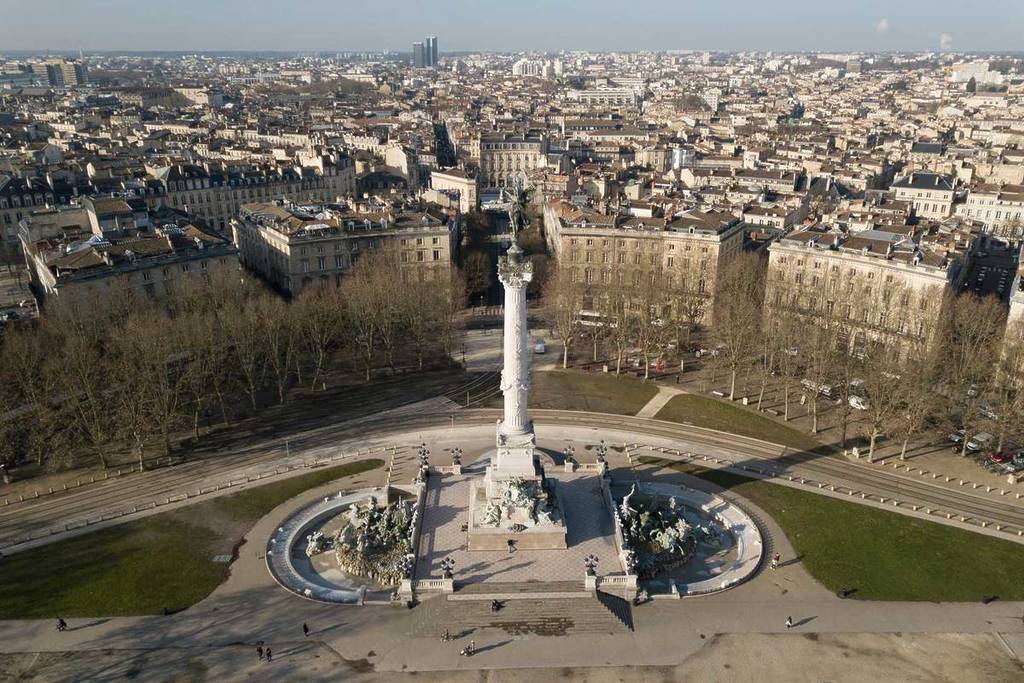
With its 12 hectares, Place des Quinconces holds the title of France’s largest square and ranks among the largest in Europe. Its extraordinary size allows it to host events of national significance. From the famous Foire aux Plaisirs to giant concerts, not to mention circuses and seasonal flea markets.
But why “Quinconces”?
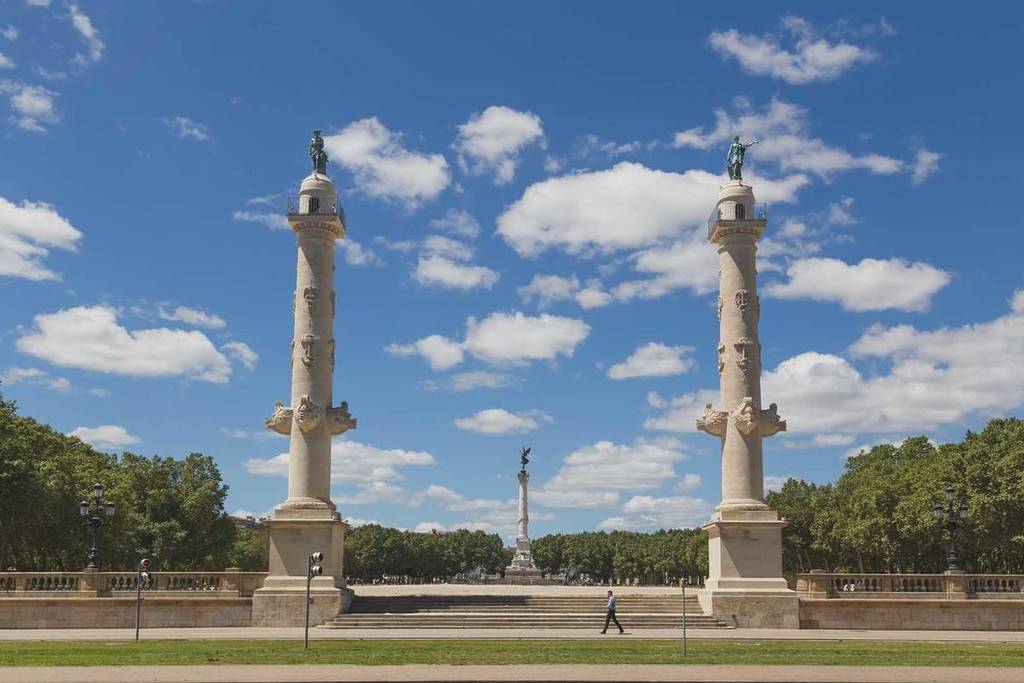
The square’s name is no mystery if you look at the arrangement of its trees. They have simply been planted in a staggered pattern—that is, in offset rows—since the landscaping dates back to 1818. Before taking its final name after the Revolution of 1848, the square was successively named “Place Louis XVI” and then “Place Louis-Philippe.”
A Missed Meeting with Bartholdi
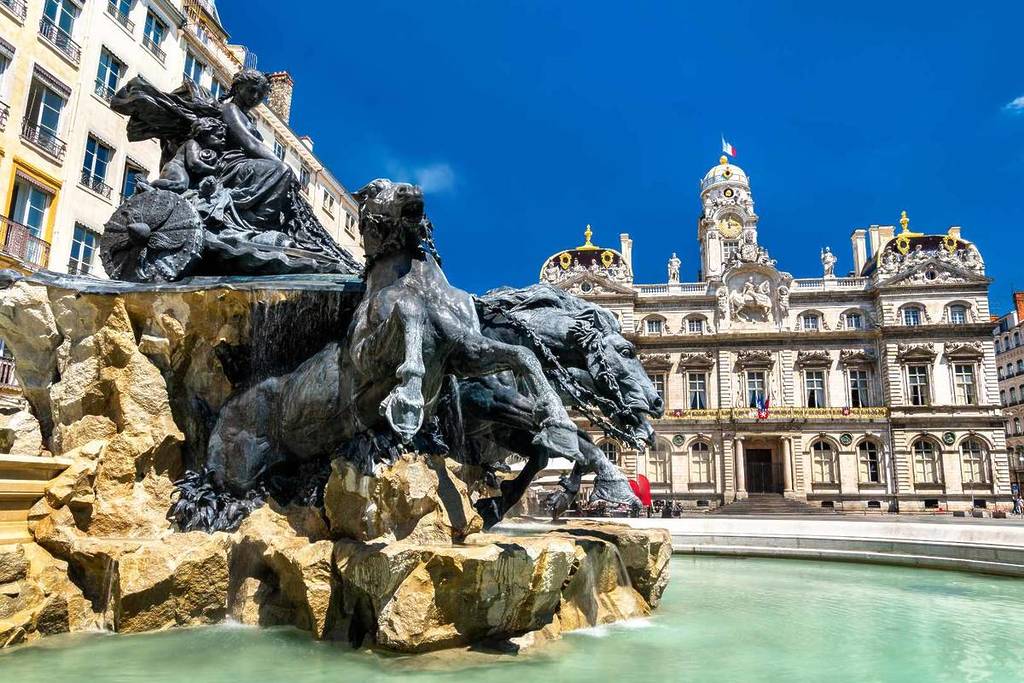
Did you know that the famous fountain at Place des Terreaux in Lyon was originally intended for Bordeaux? In 1888, the city commissioned a monumental work from sculptor Frédéric Auguste Bartholdi (the creator of the Statue of Liberty). However, the project was deemed too costly, and the city backed out. It was ultimately the Monument to the Girondins—a project blending several architectural ideas—that was completed between 1894 and 1902 to adorn the esplanade.
A symbolic monument
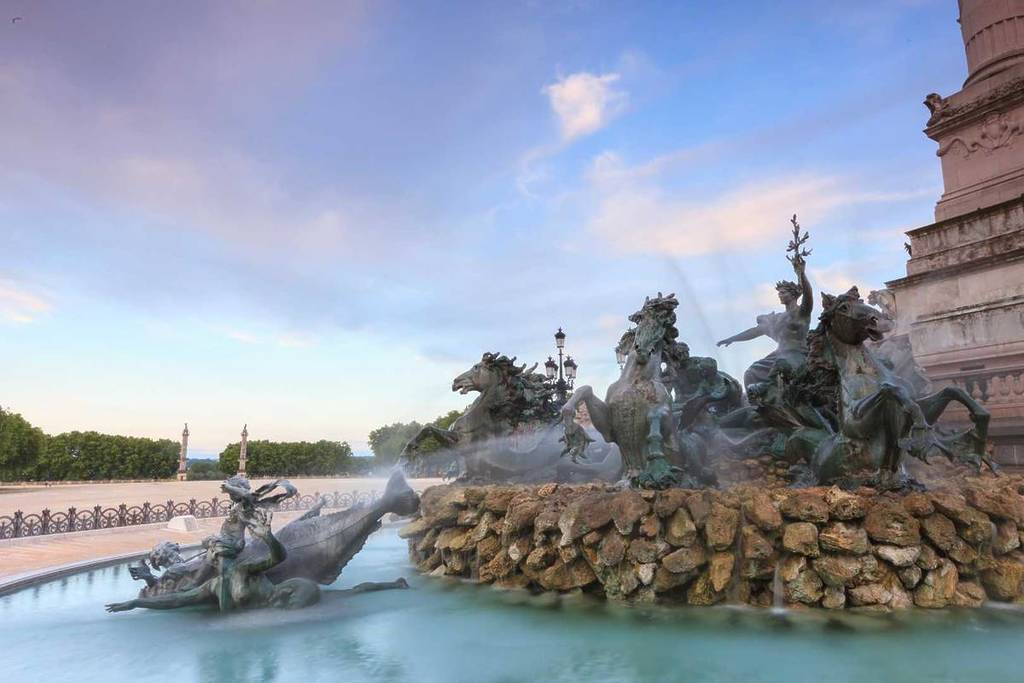
While we all enjoy admiring the Monument aux Girondins today, few of us truly understand its symbolism. Listed as a historic monument since 2011, it pays tribute to the Girondins overthrown during the French Revolution. At the base of the column, two impressive groups of bronze horses adorn the fountain. The one facing the Grand Théâtre represents the triumph of the Republic, while the one facing the Jardin Public symbolizes the victory of Concord. Crowning the ensemble, the statue of the Genius of Liberty appears to be breaking its chains while raising the palm of victory.
A bunker hidden beneath our feet
Due to its location, Bordeaux was a major strategic point for the German occupiers during World War II. In 1943, to protect communications and troops, a bunker was buried beneath Place des Quinconces. This 83-square-meter air-raid shelter, with a ceiling height of 2.30 meters, still exists beneath the asphalt, a silent remnant of the Occupation.