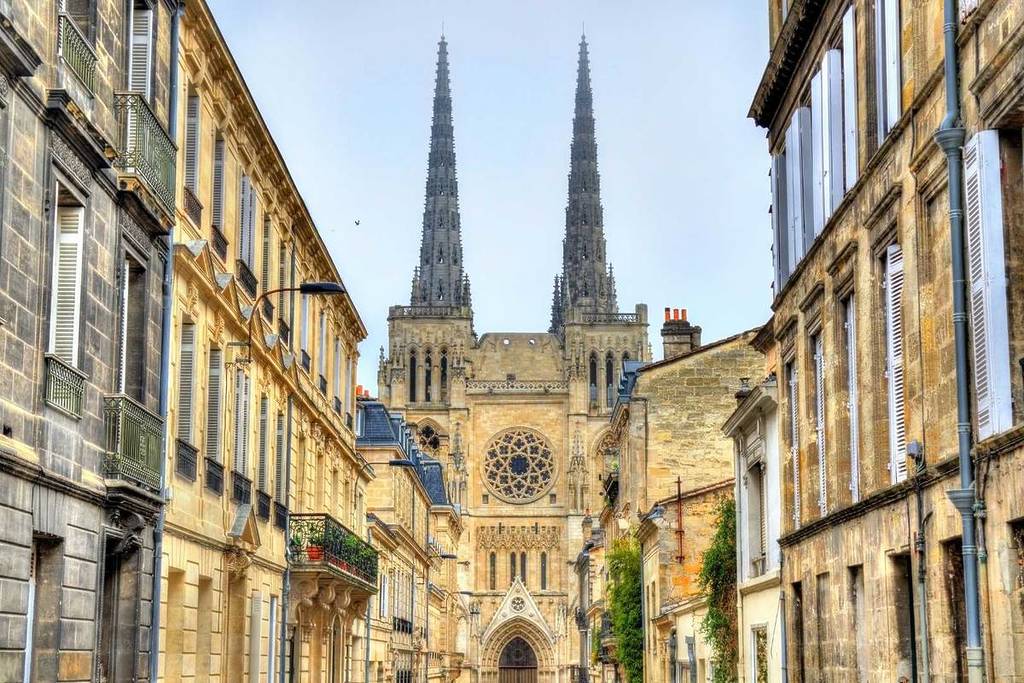
Among the monuments of Bordeaux that need no introduction is the majestic Saint-André Cathedral. Did you know that it houses one of the most prestigious instruments in France? Although silent for several years,the cathedral’s organ remains one of the most important in the country. To restore its voice, a historic restoration project began in February 2026, promising to restore the instrument to its former glory.
A musical giant in the heart of Bordeaux’s Saint-André Cathedral
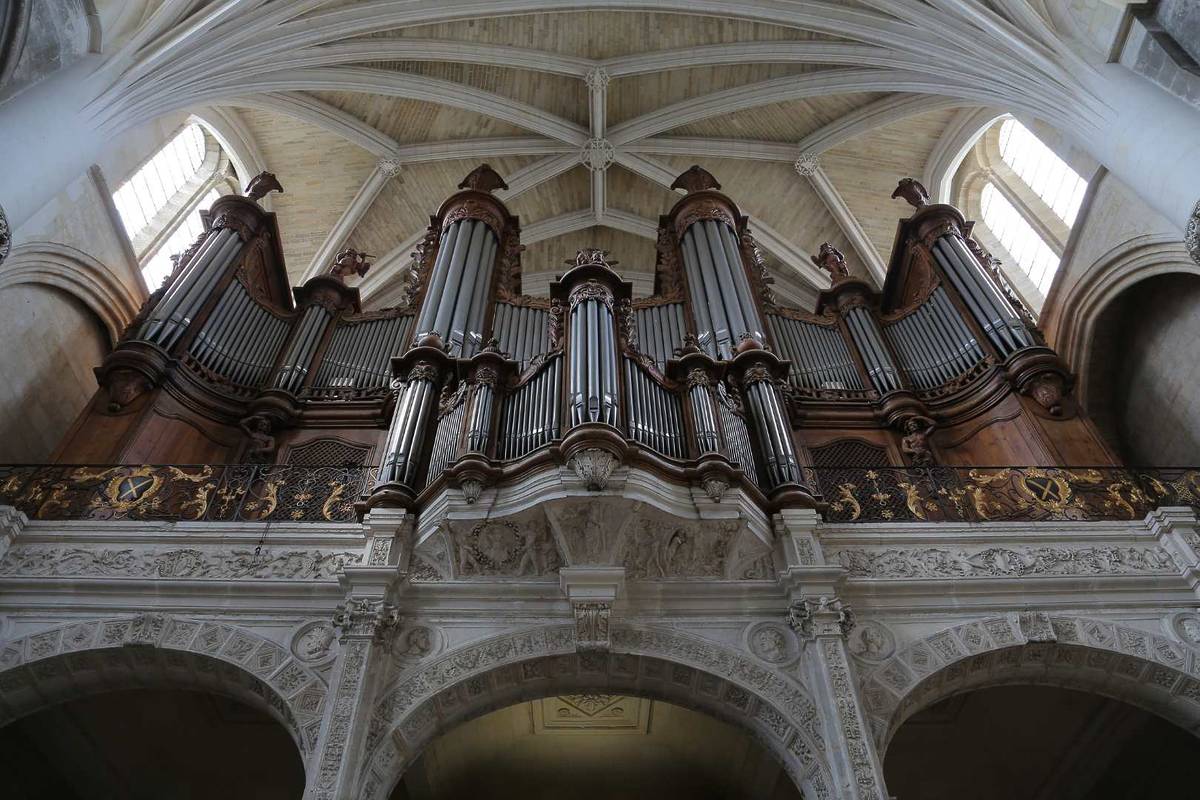
We should actually refer to it as the “grand organ,“ a term that designates the main instrument installed in the gallery. Facing the nave, it is now the center of attention.
Although an organ has been playing in Saint-André since the early 19th century, the instrument at that time came from La Réole. It was replaced a few years later in an exchange with the organ from the Abbey Church of Sainte-Croix. It was not until 1982 that the current organ was inaugurated. Its neoclassical aesthetic dialogues with a sculpted case, classified as a historical monument, which constitutes an architectural decoration in itself. With its 76 stops,the organ of Saint-André Cathedral has established itself as a pillar of the French organ landscape.
However, over time, the mechanics have become fragile. Shut down in 2018, the instrument was too damaged to continue playing. Since then, silence has reigned in the gallery, awaiting its rebirth, which began in early February.
A multi-million euro restoration project
After more than ten years of waiting, the project is finally entering its concrete phase. Led by the DRAC Nouvelle-Aquitaine with the support of the Cathedra association, this restoration is estimated to cost more than €4 million. The organ will be completely rebuilt, while its case will be meticulously restored. This renaissance is entrusted to two complementary areas of expertise: the Austrian manufacturer Rieger Orgelbau and the Breton workshop Orgues L’Haridon-Freyburger.
One of the largest organs in France: an ambitious renaissance, combining heritage and creativity
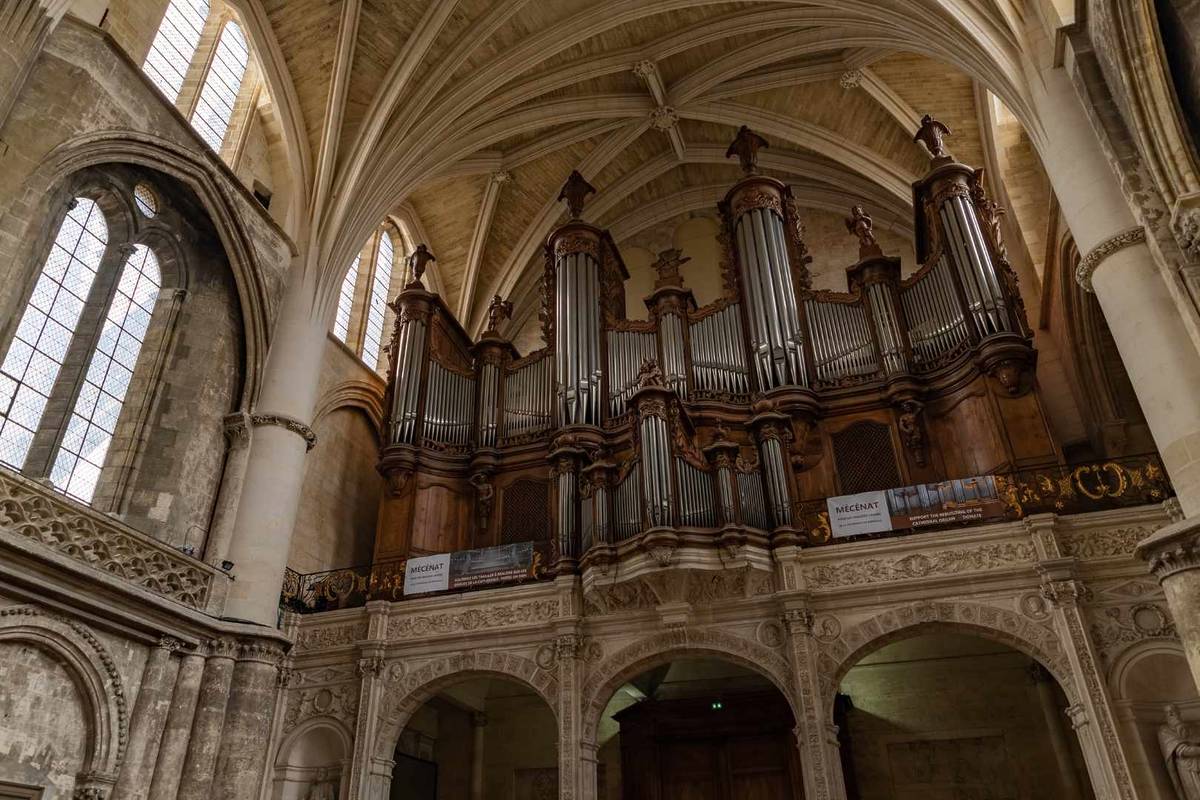
The future organ will be larger in size: it is expected to have 98 stops, spread over 119 ranks and approximately 6,800 pipes. By 2030, once completed, it will rank among the largest instruments in France, alongside those of Notre-Dame de Paris, the Church of Saint-Eustache, and Saint-Sulpice.
Beyond the technical feat, the project aims to restore the cathedral’s cultural and musical life. Concerts, educational activities, and European collaborations will accompany this new instrument. Funding combines public funds and sponsorship, including a “pipe sponsorship” initiative open to all.