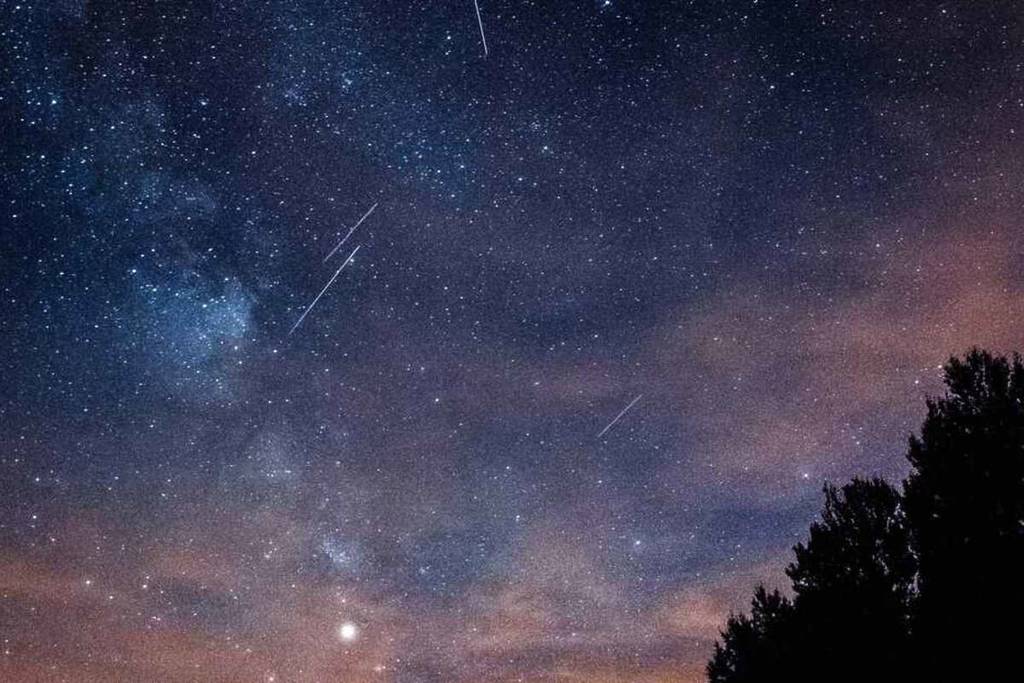

While the reflections on the Garonne already offer a spectacle we never tire of, the Bordeaux sky is about to present us with a much grander scene. While the famous Perseids in August captivate the crowds, the Lyrids in April deserve to be better known. First observed over 27 centuries ago, this meteor shower returns every year in the spring. This April 2026, get ready to look up at the sky for a moment of pure cosmic poetry.
The origin of the Lyrids: comet dust
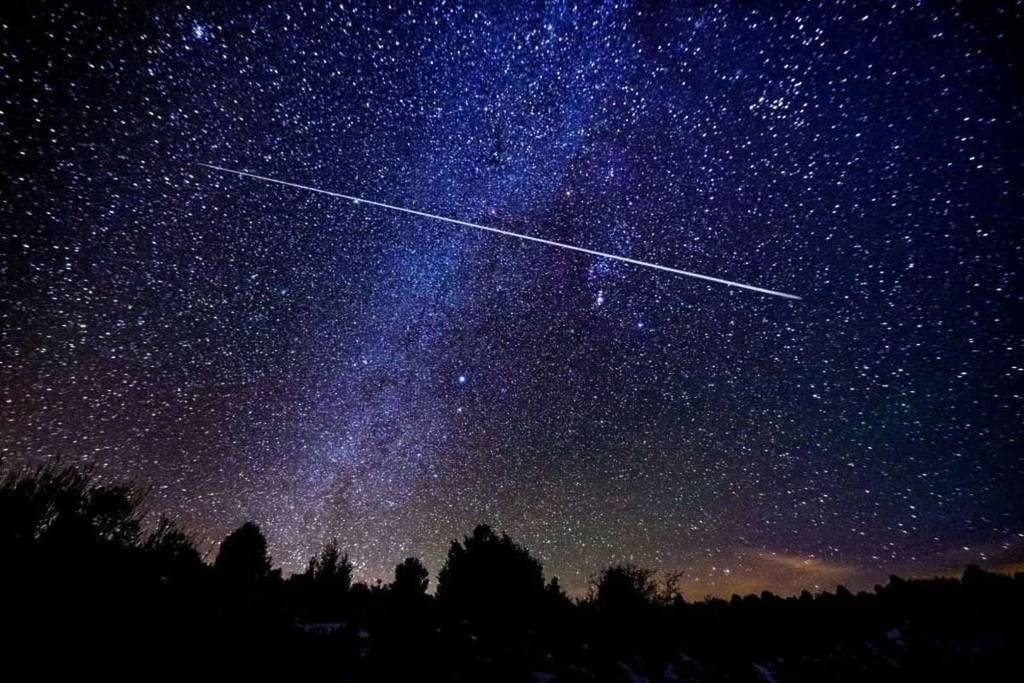
Far from being mere “space rocks,” the Lyrids originate from a distant traveler: Comet C/1861 G1 (Thatcher). Every year, Earth’s path crosses the debris cloud left in its wake. As they strike our atmosphere at a dizzying speed of 50 km/s, these dust fragments burn up instantly. This process creates those famous fireballs we call shooting stars. Although technically they are burning debris, the luminous trail they leave in the night sky remains one of the most enchanting phenomena in astronomy.
When to watch these shooting stars in 2026?
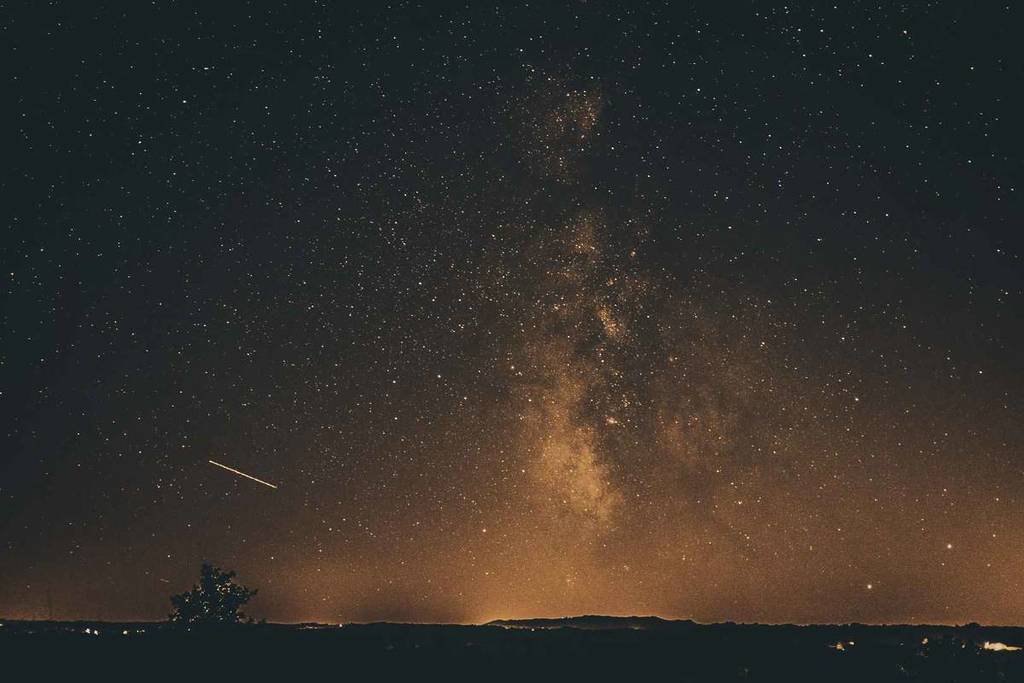
The Lyrid meteor shower runs from April 14 to 30. However, to maximize your chances, be sure to mark the night of Wednesday, April 22, to Thursday, April 23, 2026. Activity will be at its peak during this window, particularly between 9:30 p.m. and 2:30 a.m.
On average, you can expect to see about 18 meteors per hour—one every 3.5 minutes. In the most spectacular years, this number can climb as high as 90, so keep your wishes handy! Good news for observers: the Moon will be discreet, appearing as a thin crescent, leaving the sky dark enough to clearly see the streaks of light.
Where to observe the Lyrids around Bordeaux?

To fully enjoy the event, the golden rule is to avoid the light pollution of the city center. While the riverbanks offer a beautiful view, streetlights may obscure the faintest meteors. Here are a few suggestions:
- Get away from the city center: to Parc de l’Ermitage in Lormont, Plage du Lac, or Domaine de la Burthe in Cenon, for example.
- Look toward the constellation Lyra, locating the star Vega, the brightest in the area. At dusk, it points toward the northeast, before rising higher toward the east as the night progresses.
- Tools: Use an app like Sky Tonight to locate the constellation Lyra in a flash.
No need to invest in a telescope or binoculars: your eyes are enough. Lie down comfortably (with a light blanket—nights in the Gironde region are still cool in April) and let the magic happen.