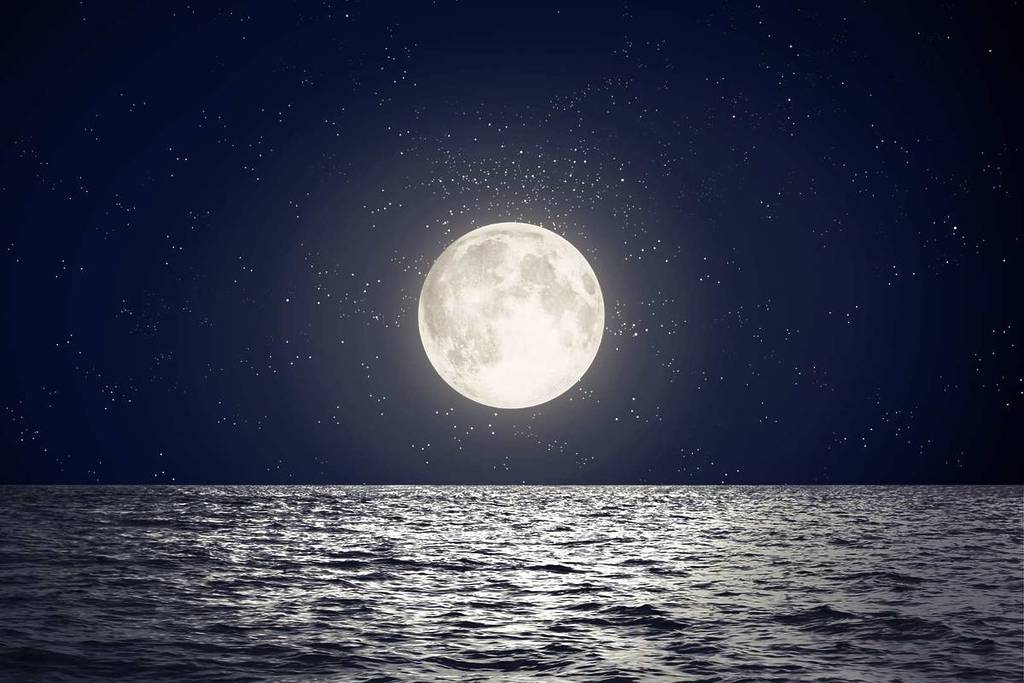
Attention astronomy fans and dreamers! This Saturday, January 3, the skies over Bordeaux will play host to an exceptional spectacle: the Wolf Supermoon. More imposing and luminous than any other full moon, it is one of the three Super Moons of the year. But why is it called the Wolf Moon, and when should you look up to make sure you don’t miss a thing? We tell you all about this unmissable celestial event.
Super Moon and Full Wolf Moon: what are they?
A full moon results from the alignment of the Sun, Earth and Moon. Fully illuminated by the Sun, the Moon appears as a perfectly round disk in the night sky. This phenomenon is called a Super Moon when it occurs at perigee, the phase when the Moon is closest to the Earth. The Moon then appears larger and brighter than during a classic full moon.
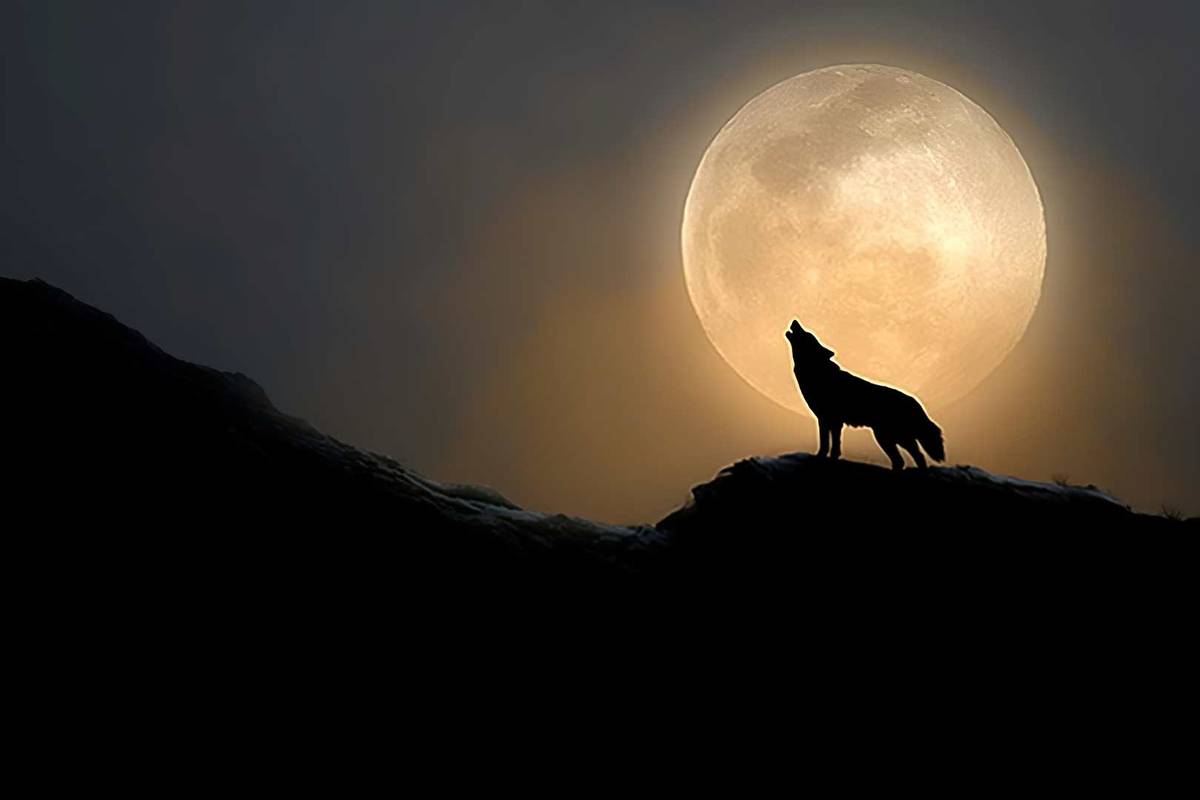
362,312 km: that’s the distance separating us from the Super Moon this Saturday, January 3, at its closest point. A cosmic spectacle that, a priori, has nothing to do with canines. The nickname Wolf Moon has its origins in the traditions of Amerindian peoples, who associated each full moon with natural or seasonal events. The January moon corresponded to the period when wolves howled outside villages, deep in the cold, deep snows of winter.
Super Moon, Jupiter and meteor showers
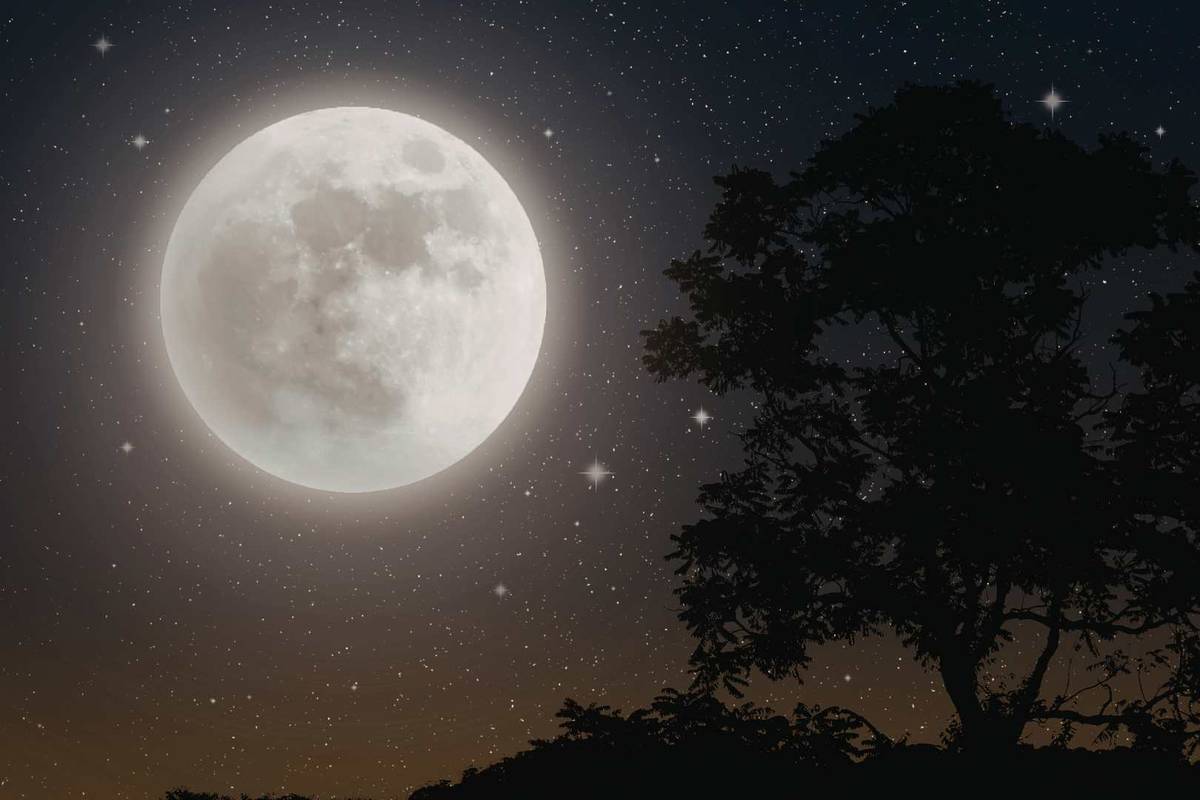
If you’re fascinated by the immensity of the cosmos, the Wolf Full Moon promises to be grandiose. And this year, it won’t be the only one to shine. Jupiter, the giant of the solar system, will escort it just below, offering a brilliance visible to the naked eye. According to National Geographic, Saturn may also join in, creating an alignment of exceptional rarity. And to top it all off, the Quadrantid Peak – an annual meteor shower – will streak the sky with shooting stars. All in all, atruly celestial festival.
As the first of this year’s three Supersmoons, don’t miss this natural spectacle. And don’t miss the next one in November 2026.
Where and when can you see the Super Moon in Bordeaux?
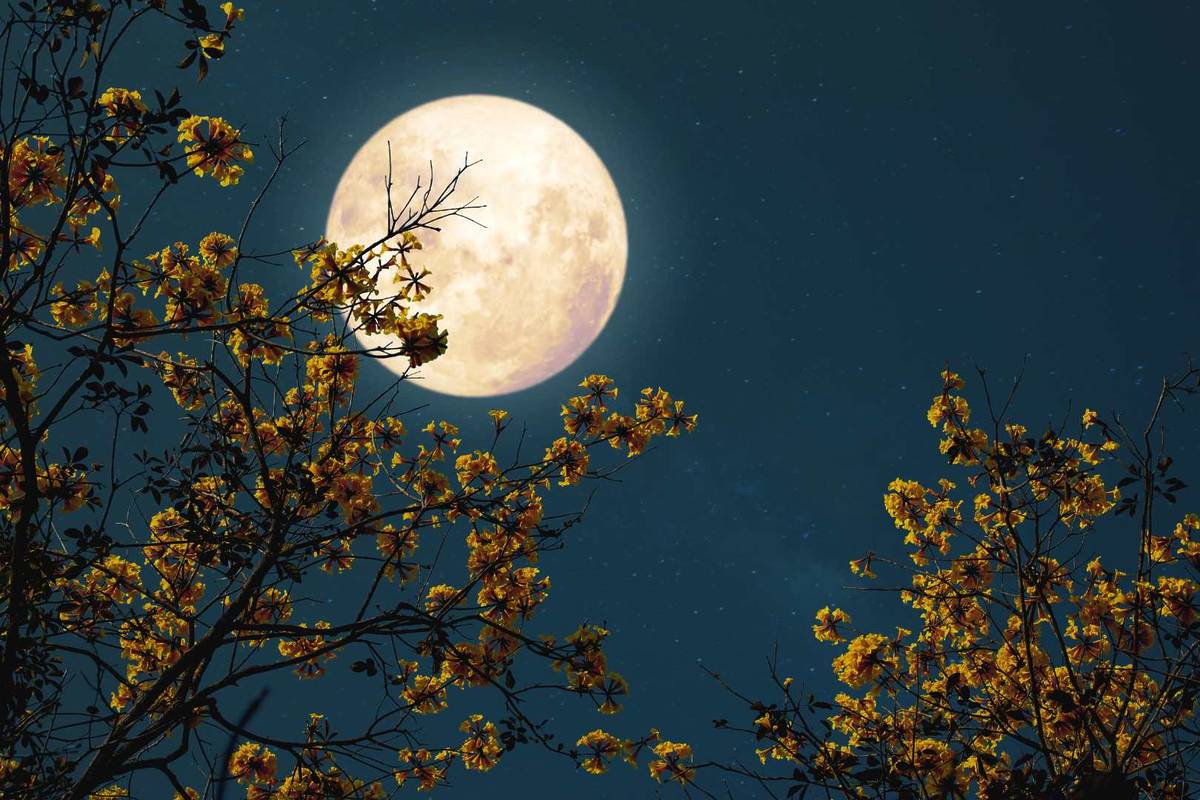
The Moon will reach its maximum illumination and perigee at 11.03 am. But the show continues at dusk, when the Moon rises and the sky begins to darken, at around 5.30pm. If the weather ‘s fine, this is one of the best times to observe it.
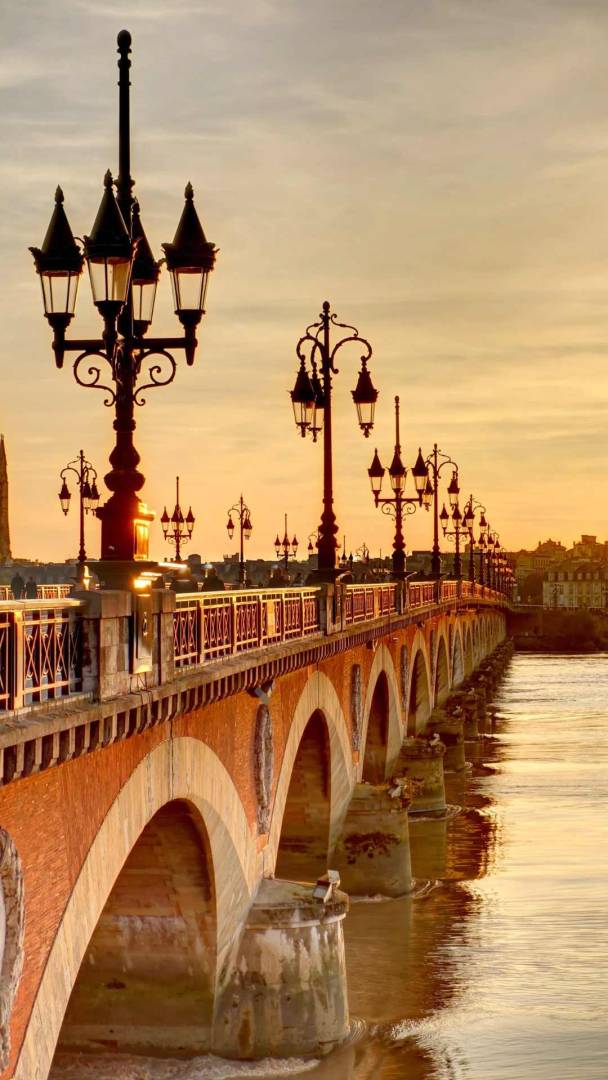
For those who wish to take advantage of the phenomenon, it’s advisable to opt for locations with little light pollution, clear skies and, if possible, high ground. Here are some of the best places to admire the Super Moon in Bordeaux skies: Palmer Park, Jacques Chaban-Delmas Bridge or Quai Richelieu.