
Behind its gates, the La Chartreuse Cemetery hides much more than just graves. With its tree-lined paths, chapels, and statues, this vast space in Bordeaux almost resembles a park. However, before becoming a resting place for the deceased, the site was home to a convent built on former marshland. Its eventful history has shaped one of the city’s most unique heritage sites.
From Marshes to Cemetery
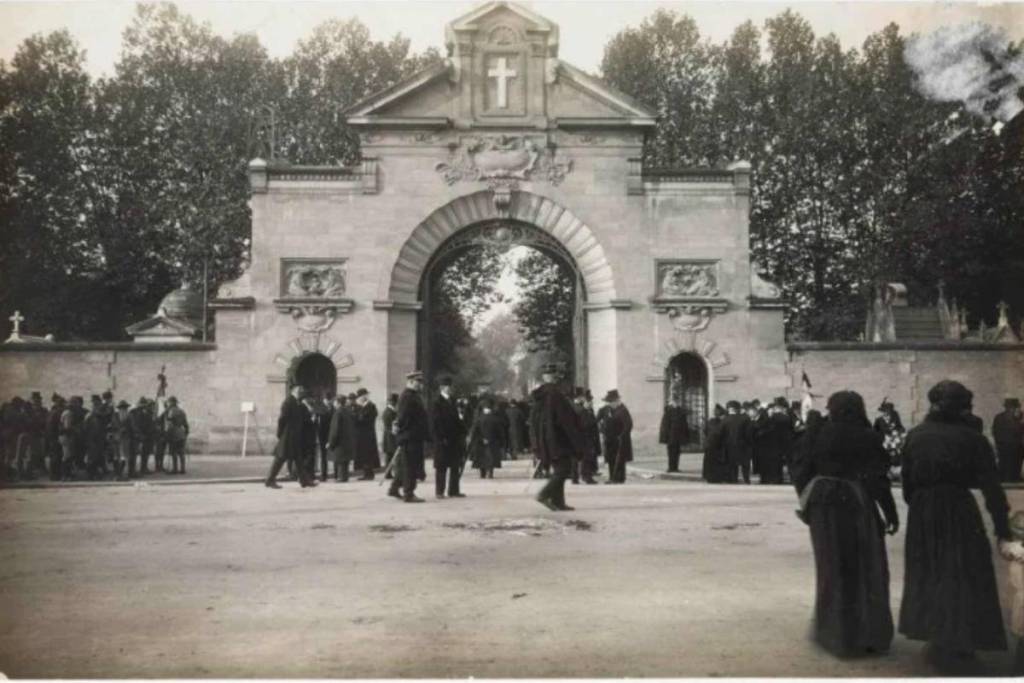
In the early 17th century, the neighborhood was nothing more than a vast swamp. In 1610, Cardinal-Archbishop François de Sourdis helped the Carthusians settle on this land: a monastery and its gardens were then established there.
In 1791, the city reclaimed the religious lands to create a new cemetery. Its 16 hectares and its location—remote from residential areas yet close enough to the city center to facilitate transportation—offered a perfect solution. The cemetery was established in the early 19th century and expanded over the decades. Today, its 26 hectares provide a true oasis of calm in the heart of Bordeaux.
An open-air museum amid tombs and gardens
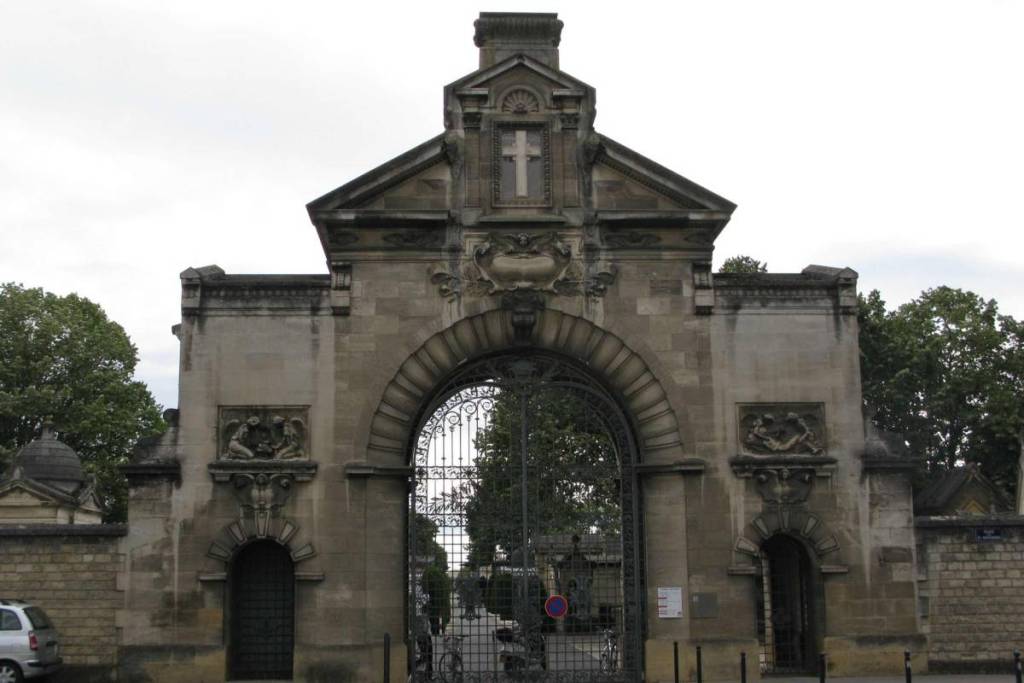
Upon passing through the convent’s old gate—classified as a Historic Monument since 1921—one discovers a funerary heritage of astonishing diversity. Pyramids inspired by ancient Egypt, neo-Gothic chapels, ancient temples, and sculpted groups… Some monuments impress with their size, others with the finesse of their details.
The cemetery is also home to the graves of notable figures. The writer and feminist activist Flora Tristan is buried there, as is Charles-François Delacroix, father of the painter Eugène Delacroix. A cenotaph also pays tribute to Francisco Goya, who died in Bordeaux in 1828. His body was later transferred to Spain, but his memory remains closely tied to the city.
Another curiosity: a small temple inspired by ancient architecture houses the heart of General Jean-Victor Moreau, an adversary of Napoleon I. Not to mention the impressive statue of the Grim Reaper that adorns the tomb of Jean Catherineau.
La Chartreuse is not, however, frozen in the past. Its avenues lined with linden and yew trees offer a refuge for biodiversity. The site’s ecological management supports local flora and fauna, while a columbarium and a memorial garden, inaugurated in 2023, reflect the evolution of funeral practices.